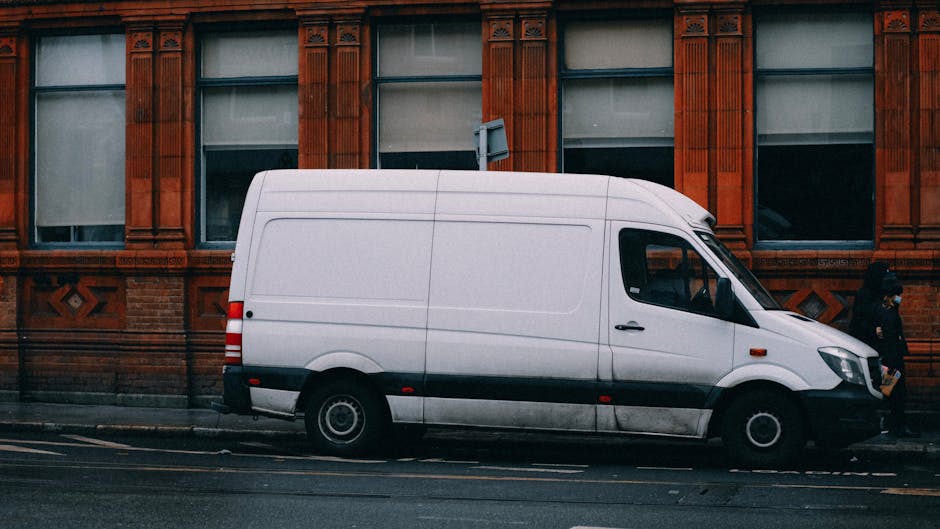
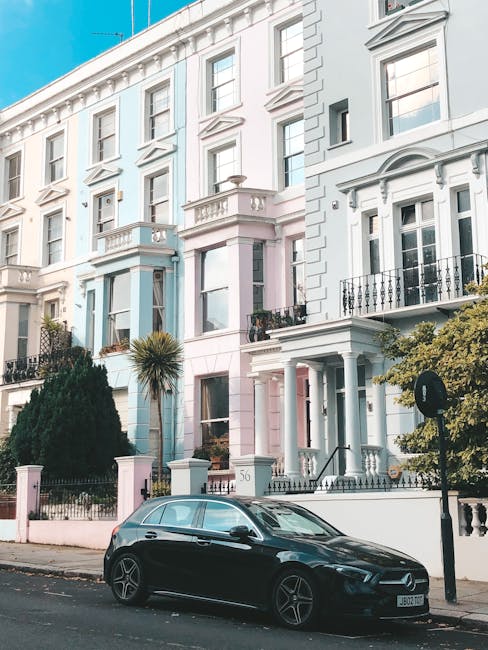
Westbourne Terrace flats: lift access and move plan
Moving into or out of a flat on Westbourne Terrace can look straightforward on a map and then, suddenly, feel a bit more complicated in real life. The street is central, busy, and full of buildings with their own quirks: narrow entrances, shared lifts, time slots for deliveries, and the usual London mix of stairs, timing pressure, and limited parking. That is exactly why a good Westbourne Terrace flats: lift access and move plan matters.
If you are trying to work out how to move furniture without blocking a lift, how to avoid upsetting neighbours, or how to keep the day from turning into a scramble, you are in the right place. This guide breaks down what lift access means in practice, how to plan around building rules, and how to make the whole move feel controlled rather than chaotic. We will also cover common mistakes, useful tools, and the decisions that matter most before moving day. To be fair, the difference between a smooth move and a stressful one is often just a few good details handled early.
Table of Contents
- Why Westbourne Terrace flats: lift access and move plan Matters
- How Westbourne Terrace flats: lift access and move plan Works
- Key Benefits and Practical Advantages
- Who This Is For and When It Makes Sense
- Step-by-Step Guidance
- Expert Tips for Better Results
- Common Mistakes to Avoid
- Tools, Resources and Recommendations
- Law, Compliance, Standards, or Best Practice
- Options, Methods, or Comparison Table
- Case Study or Real-World Example
- Practical Checklist
- Conclusion
- Frequently Asked Questions
Why Westbourne Terrace flats: lift access and move plan Matters
Westbourne Terrace has the sort of buildings where lift access can make or break the moving day. A lift is not just a convenience in this context; it is often the difference between a tidy, efficient move and one where boxes stack up in the hallway while someone tries to explain that the sofa "should fit if we angle it a bit." We have all heard that one before.
In apartment moves, the lift is usually the main moving lane. It controls the pace, affects what items can be moved first, and shapes how many people you need on site. In a building with managed access, the lift may also have rules about booking, padding, loading weight, or time windows. If you ignore that early, the move can stall before it has really started.
The move plan matters because it connects all the small moving parts: lift booking, packing order, parking arrangements, stair backups, and the order in which furniture leaves each room. On a street like Westbourne Terrace, where traffic and building access can both be tight, a plan is not overkill. It is the job.
If you are moving a family flat, a rental apartment, or even a small office-style residence with heavy desks and fragile items, a good plan also reduces damage. Fewer awkward turns. Less rubbing against walls. Less chance of spending the evening staring at a scratched table edge and wondering how it happened. In practical terms, that is worth a lot.
Key point: lift access affects speed, safety, building compliance, and whether your move feels organised or messy. Treat it as part of the move, not a side detail.
How Westbourne Terrace flats: lift access and move plan Works
At its simplest, the process is about matching the size of your move to the realities of the building. That means checking how the lift works, confirming whether it can be reserved, measuring larger items, and setting a sequence that keeps the flat and corridor clear.
A useful move plan usually starts with the building itself:
- Where is the lift in relation to the flat and entrance?
- Is there a service lift or only a passenger lift?
- Can the lift be booked for a time window?
- Are there rules for protecting walls, lift doors, or floors?
- Is there a loading bay, side entrance, or parking restriction nearby?
From there, the logistics become much easier to shape. If the lift is small, bulky items should be planned first. If the lift is shared, you may need a quieter time slot so you are not stuck waiting while neighbours come and go. If access to the street is limited, the vehicle choice matters too, which is where a man and van service or a larger moving truck can make a very different kind of sense.
The move plan itself should cover the order of operations. For example, dismantle beds before the team arrives, move mirrors and glass early while everyone is fresh, and leave daily-use items until last so you are not living out of boxes for three days. Simple idea. Works surprisingly well.
For many flat moves, especially if there is a mix of heavy furniture and smaller loads, it helps to think in layers:
- Access layer: lift booking, keys, entry codes, parking, and timing.
- Handling layer: who carries what, what needs protection, and what needs disassembly.
- Loading layer: how items move from flat to lift to vehicle without blocking corridors.
- Delivery layer: the order in which items go into the new place so the essentials are ready first.
If you are moving home, a structured approach like this is often easier to manage alongside home moves support or a more comprehensive house removalists service, especially when the day includes both fragile items and awkward furniture.
Key Benefits and Practical Advantages
A well-thought-out lift access and move plan saves time, but that is only the obvious benefit. The deeper value is that it keeps the move under control when the building environment is doing its best to make things fiddly.
Here are the main advantages:
- Less waiting around: if the lift is pre-booked or timed properly, your removal team spends more time moving and less time standing in the hallway.
- Lower damage risk: planned movement through tight spaces reduces knocks, scrapes, and accidental pressure on doors or walls.
- Cleaner communication: residents, building staff, and movers all know what is happening and when.
- Better use of labour: fewer people are needed in the wrong place at the wrong time.
- Reduced stress: the day feels more predictable. And honestly, predictability is underrated on moving day.
There is also a financial angle, even if you are not thinking about costs in a strict sense. Delays can increase labour time. Last-minute vehicle changes can add pressure. Replacing a scratched item because it was carried badly is nobody's idea of a good afternoon. Careful planning often prevents those avoidable extras.
For larger or mixed loads, a broader service can help. Some people prefer a compact move with man with van support, while others need a more structured setup with removal truck hire so larger furniture can be moved in one go. The right option depends on volume, lift size, and how much coordination the building requires.
Who This Is For and When It Makes Sense
This kind of plan is useful for anyone moving into, out of, or between flats on Westbourne Terrace where lift access is part of the daily logistics. But it is especially important if your move includes any of the following:
- Large or heavy furniture that will not fit easily through narrow entrances
- Fragile items such as mirrors, glass tables, artwork, or electronics
- A managed building with booking rules or concierge procedures
- Limited parking or restricted loading close to the property
- Time-sensitive moves where keys, handover, or tenancy dates are tight
- Office-style equipment or mixed residential/commercial contents
If you are moving a furnished flat, or you need items collected and transferred separately before the main move, it may make sense to use a targeted service such as furniture pick-up. That can take pressure off the main moving day and reduce congestion in the lift.
This approach also suits landlords, letting agents, and tenants who need things done neatly. In those situations, there is usually less tolerance for "we'll just wing it." The building still has its own rules, and the move still needs to happen without causing friction.
Truth be told, if your first thought is "I think we can manage it ourselves," that may still be true. But if any one of the access points feels uncertain, getting a proper plan in place early is the smart move.
Step-by-Step Guidance
Below is a practical way to plan a flat move around lift access on Westbourne Terrace. You do not need to overcomplicate it, but you do need to be organised. The small stuff adds up fast.
1. Confirm lift details before you book anything
Start with the basics. Measure the lift opening and, if possible, the internal space. Ask whether the lift can take sofas, wardrobes, mattresses, or long items like headboards. If you are not sure, measure your largest item against the narrowest point. That sounds obvious, yet people skip it all the time.
Also check whether the lift is passenger-only or suitable for removals. Some buildings allow lift use but ask for protective padding or supervised handling. A quick call to the building manager can save a lot of guessing.
2. Get the building rules in writing if possible
Booking times, moving hours, parking instructions, and noise restrictions are easier to follow when they are written down. Even a short email is enough. If the building wants you to use a specific entrance, note it. If they ask for lift protection, arrange it. If there is a deposit or booking slot, make a note of the deadline. The best moves are boring in the planning stage. That is a good thing.
3. Decide the loading order by room
Think about what should leave first. Usually, heavy or awkward items go before the rest of the flat is crowded with boxes. Items that are needed immediately in the new place should be labelled clearly and loaded in a separate group so they can come off first. If you have ever spent 20 minutes searching for a kettle at 8 p.m., you already know why this matters.
4. Prepare furniture for lift transport
Remove shelves, loose parts, and any item that can wobble or snag. Wrap corners. Protect glass. Tape cables neatly. If something can be disassembled safely, do it in advance rather than trying to improvise at the doorway while everyone waits. That is where time slips away.
For heavier or more awkward loads, a larger vehicle can help keep the entire chain efficient. A planned commercial move approach is sometimes relevant even for mixed-use flats or home offices, especially where furniture and equipment need careful sequencing.
5. Coordinate the arrival window
Do not leave the team guessing. If there is only a short lift booking or a narrow access window, the arrival time needs to be realistic. In London, a ten-minute delay can have a way of becoming a very awkward hour, especially if parking is difficult or traffic builds in the middle of the day.
6. Protect shared spaces
Corridors, lift interiors, and entrance lobbies are common pinch points. Use blankets, floor runners, or protective covers where appropriate, and make sure people know who is carrying what. This is not just about being neat. It also helps avoid complaints and keeps the whole move civil, which matters more than people expect.
7. Finish with a room-by-room check
Before you leave the property, do a final sweep. Check cupboards, behind doors, and the top of wardrobes. It is usually the last sock, charger, or folder that causes a rerun. One last walk through. Slow down for that part.
Expert Tips for Better Results
There are a few practical habits that make a big difference on this kind of move. They are not dramatic, but they are the sort of things experienced movers quietly rely on.
- Measure the awkward items first: sofas, mattresses, wardrobes, and desks should be checked against both lift and stair dimensions.
- Label by destination room: not just "kitchen" or "bedroom," but "kitchen - open first" if that helps.
- Keep one access person free: someone should manage doors, lift calls, and communication instead of carrying boxes constantly.
- Use soft protection early: waiting until the lift is already scratched is a bit late, obviously.
- Separate essentials: documents, chargers, medication, keys, and a kettle should not disappear into the main load.
It also helps to think about the move in terms of flow. If the lift can take one furniture item and two boxes at a time, design the sequence around that reality rather than trying to force a faster rhythm. People often lose time by trying to move too much at once. Slow is smooth. Smooth is fast.
If you are not sure which vehicle size suits the move, a quick chat about man and van versus a bigger van or truck can help you avoid under-booking. Oversized vehicles can be awkward on tight streets; undersized ones create extra trips. Neither is ideal.
Common Mistakes to Avoid
Most flat move problems are predictable. That is the annoying part. The good news is that predictability means they can be avoided with a bit of discipline.
- Assuming the lift is suitable: a lift that looks fine for people may still be too small for furniture.
- Ignoring booking rules: some buildings need notice or have fixed time windows.
- Not measuring larger items: wardrobes and sofas are the usual troublemakers.
- Leaving packing too late: rushed packing usually means more breakage and more missing items.
- Blocking access routes: hallways and entrances need to stay usable.
- Forgetting vehicle coordination: if the van arrives too early or too late, the whole sequence wobbles.
- Not assigning responsibility: if everyone assumes someone else has the keys, the lift booking, or the trolley, things get messy fast.
One particularly common issue is underestimating how long shared access takes. You may only need two minutes to move a sofa, but if the lift is in use by other residents or the hallway gets congested, the real timing is very different. That little gap between expectation and reality is where moving-day frustration tends to live.
Another mistake is failing to plan around the new property as well as the old one. A move is not complete when items leave Westbourne Terrace. They still need to enter the new flat in a sensible order. Slightly obvious, yes, but often overlooked.
Tools, Resources and Recommendations
You do not need a warehouse of equipment, but a few practical items will make a real difference:
- Measuring tape: for lifts, furniture, doorways, and hall turns.
- Furniture blankets or wraps: helpful for protecting wood, corners, and painted surfaces.
- Strong tape and labels: for box identification and loose-item bundling.
- Furniture sliders or trolleys: useful for heavier items when used carefully.
- Floor protection: especially important in shared buildings.
- Inventory list: even a simple one helps when you are tired later in the day.
For readers who want a more hands-off option, professional packing support can be a very sensible addition. A service like packing and unpacking services is especially useful when the move involves fragile items, tight deadlines, or a lot of small belongings that tend to multiply on every surface. You know the feeling.
There is also a helpful decision around whether to bundle the move into one larger load or split it into smaller transfers. If the building access is restrictive, split moves sometimes reduce pressure. If time is short, one larger, well-timed trip may be better. The right answer depends on the lift, the street, and how much you want to carry yourself.
Law, Compliance, Standards, or Best Practice
Without turning this into a legal lecture, it is worth saying that flat moves in London often sit inside a framework of building rules, landlord expectations, tenancy obligations, and general health and safety practice. Those rules are not always the same from one property to the next, so it is sensible to confirm details directly with the building or managing agent rather than assume.
Best practice usually includes:
- Following any lift booking process or access request from the building manager
- Using appropriate care to protect communal areas
- Observing agreed time windows and noise limits
- Keeping access routes clear for other residents
- Ensuring lifting and carrying is done safely and realistically
If you are handling items that are unusually heavy, awkward, or valuable, it is reasonable to use professional movers who understand how to reduce strain and manage shared access properly. Safety is not only about the people carrying things; it is also about the building environment and everyone else who uses it.
For business-related moves or mixed-use situations, it can help to look at office relocation services or other structured relocation support. That is particularly relevant if the flat doubles as a workspace or if equipment needs to be moved with minimal downtime.
Options, Methods, or Comparison Table
There is no single best way to handle a move on Westbourne Terrace. The right method depends on lift access, item volume, time constraints, and how much hands-on help you want. Here is a simple comparison.
| Option | Best for | Strengths | Trade-offs |
|---|---|---|---|
| Self-managed move | Small loads and flexible schedules | Lower service cost, full control | More physical effort, more planning pressure |
| Man and van | Light to medium flat moves | Flexible, practical for central London | May need multiple trips if the load is large |
| Removal truck hire | Bulkier moves or larger furniture loads | More capacity, fewer journeys | Needs better loading space and access planning |
| Full removal support | Busy households, fragile items, or tight deadlines | Less stress, better handling, smoother sequencing | Usually the most involved option to arrange |
If the move is mainly a few items with tricky access, a compact service such as a man with van arrangement may be the most sensible. If there is a larger load, a fuller approach with a suitable vehicle and more coordinated handling tends to work better.
For readers comparing different moving support options, the right choice usually comes down to this: how much access complexity are you dealing with, and how many items genuinely need moving?
Case Study or Real-World Example
Imagine a two-bedroom flat on Westbourne Terrace with a shared lift, a large sofa, a bed frame, three wardrobes, and a small collection of fragile lamps and mirrors. Nothing outrageous, but enough to get awkward if the plan is loose.
The first issue is the sofa. It is checked against the lift opening before moving day, and the team confirms it will need to be turned slightly on entry. That means padding is prepared in advance and the route to the lift is kept clear. Simple, but essential.
The second issue is timing. The building allows a short access window, so the move starts with dismantling the bed and removing mirrors first. Boxes follow by room, with essentials marked separately. The lift is used in a steady rhythm rather than flooded all at once. No shouting. No chaos. Just a bit of order.
By the time the van is loaded, the hallway is clean, the lift has been protected, and the residents are not irritated by a jammed corridor. The new flat receives the essentials first, which means the occupants can make tea, find bedding, and stop feeling as if they are living inside a half-finished puzzle.
That kind of outcome is not glamorous, but it is exactly what a good move plan should deliver.
Practical Checklist
Use this checklist in the run-up to moving day. Tick it off early if you can.
- Measure the lift opening and note internal dimensions where possible
- Confirm whether the lift can be used for removals
- Check building booking rules, time windows, and any notice requirements
- Measure large furniture against doors, corridors, and lift access
- Decide whether items need dismantling before the move
- Label boxes by room and priority
- Set aside essentials for immediate access at the new property
- Arrange parking, vehicle access, and arrival timing
- Protect floors, corners, and lift interiors where required
- Plan a final walkthrough of the old flat before departure
- Keep keys, documents, chargers, and valuables separate
- Confirm contact details for the mover or driver
If you want a quick way to simplify the admin, use a single moving folder or note on your phone with building contacts, access codes, and timings. Nothing fancy. Just one place to find the important bits when the day gets noisy.
Get a free quote today and see how much you can save.
Conclusion
A good Westbourne Terrace flat move is rarely about brute force. It is about planning the lift access properly, matching the vehicle and team to the building, and keeping the sequence calm enough that the day does not spiral. When those pieces are in place, even a complex London move becomes much more manageable.
Whether you are moving a studio, a family flat, or a larger home with awkward furniture, the same rule applies: check access first, pack with intention, and keep the move flow as simple as you can. That is how you protect your time, your belongings, and your sanity. And honestly, on moving day, that is a very decent outcome.
For more about the team and how the service is organised, you can also visit about us or head straight to contact us when you are ready to talk through the details. A move feels lighter when the plan is clear, and a clear plan is a good place to start.
Frequently Asked Questions
Do Westbourne Terrace flats usually have lift access for moves?
Many flats in the area do have lift access, but the type, size, and booking rules can vary a lot from one building to another. Always confirm with the building manager or agent before moving day.
How do I know if my sofa will fit in the lift?
Measure the sofa at its widest point and compare that with the lift opening and internal space. If it is tight on paper, it will usually be tight in reality too. Allow extra room for angles and handling.
Should I book a man and van or a larger removal truck?
It depends on how much you are moving and how much access the building allows. A smaller load may suit a flexible man and van setup, while a bigger move usually benefits from a larger vehicle and more structured loading.
What if the lift is too small for my furniture?
If the lift is too small, you may need to dismantle the item, use stairs if safe and permitted, or arrange a different moving method. It is best to find this out early rather than on the morning of the move.
How far in advance should I plan a flat move with lift access?
As early as you can. Even a short flat move can need building permission, access timing, and parking coordination. A few weeks of lead time is often sensible in central London.
Do I need to protect the lift during the move?
In many managed buildings, yes, or at least you may be asked to. Protecting lift walls, floors, and doors helps prevent damage and shows respect for shared property.
Can packing services help with lift-access moves?
Yes. Good packing makes items easier to carry, stack, and protect. It is particularly useful where lift time is limited or you have delicate items that need careful handling.
What is the best way to avoid delays on moving day?
Confirm lift bookings, have keys ready, keep the access route clear, and make sure boxes are labelled. Delays usually come from small missed details rather than one big problem.
Is it better to move everything in one trip?
Not always. One trip can be efficient if the load is well planned and the vehicle is the right size, but split trips can work better when access is tight or the lift is shared.
What should I do if my building has strict moving hours?
Work backwards from the allowed time and make sure the van arrives well within the window. Also inform the movers about the restrictions so they can plan loading efficiently.
Are commercial moves relevant if I am only moving a flat?
Sometimes, yes. If the flat includes office equipment, business stock, or a home office setup, the organisation principles from commercial moves can be very helpful.
How can I prepare fragile items for lift transport?
Use strong packing materials, wrap corners and surfaces properly, and keep fragile boxes clearly labelled. Do not overfill them. A well-packed box is much easier to move safely through a tight lift.
What is the next step if I want help with the move?
The next step is usually to confirm your access details, list the items being moved, and request a quote based on the building conditions and load size. That makes the advice more accurate and the move easier to plan.