Sussex Gardens removals tips for Victorian terrace access
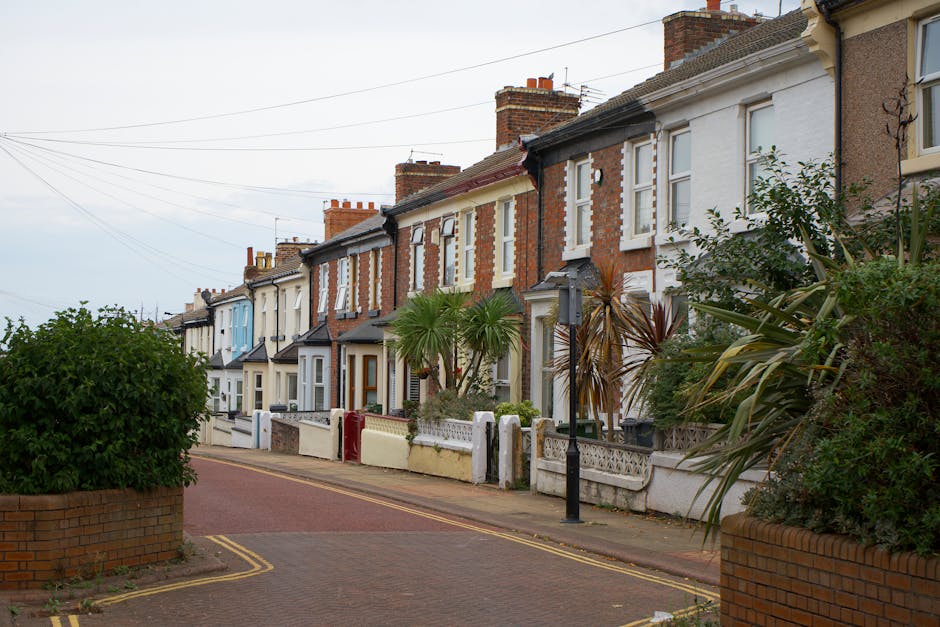
If you are planning a move in Sussex Gardens, you already know the issue is rarely the sofa itself. It is the access. Victorian terrace stairs, tight front halls, awkward turns, limited kerb space, and the odd bit of building character can turn a simple removal into a bit of a puzzle. The good news? With the right Sussex Gardens removals tips for Victorian terrace access, the move becomes far more manageable and a lot less stressful. This guide walks you through the practical side of it: what to check, how to prepare, what usually goes wrong, and how to make sure your removals team can get in and out without drama.
You will find this especially useful if you are moving out of a top-floor flat, bringing furniture through a narrow hallway, or trying to time everything around parking and neighbours. Let's face it, no one wants the piano wedged halfway on the landing at 8:30 on a rainy Tuesday.
Why Sussex Gardens removals tips for Victorian terrace access Matters
Victorian terraces in Sussex Gardens were not designed for modern household moves. That is not a criticism, just reality. The spaces tend to be elegant, compact, and a little unforgiving when a bulky wardrobe meets a narrow stairwell. Access issues can add time, labour, and risk to a move if they are not handled early.
What makes this area particularly sensitive is the combination of older architecture and central London conditions. A removal truck may need to park further away than you would like. Front steps can be steep or uneven. Hallways may have sharp corners, low ceilings, or decorative bannisters that look lovely and behave like obstacles. Even the best movers need a clear plan.
Good access planning matters because it protects your belongings, the property, and your timing. It also helps you decide whether a straightforward man and van service is enough, or whether you need a larger vehicle, extra handlers, or specialist packing support. A proper plan is not overcautious; it is just sensible.
Expert summary: The best Sussex Gardens removals are the ones where access is treated as a core part of the move, not an afterthought. Measure early, plan parking early, and tell your removals team about every awkward turn before moving day.
How Sussex Gardens removals tips for Victorian terrace access Works
In practical terms, access planning is a chain of small decisions that all feed into the move itself. First, you assess the property. Then you match the property to the right move method. After that, you prepare the route from bedroom to vehicle so that each item can move safely and efficiently.
For Victorian terrace access, the main thing is to understand the flow of the building. Most removals issues happen where movement changes direction: at the front door, on the first landing, around the stair turn, or when large furniture must be carried out at an angle. If you have ever tried to move a mattress down a narrow stairwell, you know the strange battle that follows. Heavy, slightly embarrassing, and somehow always noisier than expected.
The process usually works best when the move is broken into stages:
- Survey the access inside and outside the property.
- Identify bulky items that may need dismantling or lifting aids.
- Reserve the right vehicle for the street conditions and item volume.
- Protect walls, floors, and bannisters before loading begins.
- Move systematically so the heaviest items go first and the delicate items are not trapped behind them.
If your property has a narrow entrance or shared hallway, the move may also need extra coordination with neighbours or building management. That part can feel awkward, but a five-minute conversation often saves half an hour of confusion later.
For homes with more furniture than space, it can also help to combine the move with packing and unpacking services, especially if fragile items or time pressure are involved. Packing well makes access problems smaller, not bigger.
Key Benefits and Practical Advantages
When access is planned properly, the benefits show up everywhere. The move is quicker. The team uses less energy on avoidable manoeuvring. And your furniture is less likely to be chipped, scratched, or stuck halfway down the stairs while everyone stands there pretending to "just take another look".
Here are the practical gains most people notice:
- Less risk of damage to door frames, plaster, bannisters, and furniture edges.
- Faster loading and unloading because the route is clear and realistic.
- Better vehicle choice based on actual street access, not guesswork.
- Less stress on moving day because everyone knows what to expect.
- Lower chance of surprise costs caused by extra carrying distance or extended labour.
There is another benefit that people underestimate: confidence. If you know the stair turns are measured and the parking plan is sorted, the whole move feels calmer. That calm matters. A tense move tends to become a clumsy move, and then everything takes longer.
If you are comparing move styles, this is where a home move plan designed around terrace access can be more useful than a generic van-and-go setup. For some households, a more structured approach is the difference between a smooth day and a frustrating one.
Who This Is For and When It Makes Sense
This topic matters most for anyone moving in or out of a Victorian terrace in Sussex Gardens, but the people who benefit most usually fall into a few groups.
- Flat movers on upper floors with narrow shared staircases.
- Families with larger furniture and a lot of boxed belongings.
- Landlords and tenants managing quick turnaround moves.
- Older residents who want a less physically demanding moving day.
- Office or studio occupiers moving small business contents through residential-style access.
It also makes sense if you have any of the following: a sofa that barely fitted in when it arrived, a bed frame that has to be turned sideways on the landing, or a hallway where two adults cannot pass each other comfortably. If that sounds familiar, you probably need more than just a van. You need a plan.
For smaller, lighter moves, a flexible man with van option may be enough. For heavier properties or more complex access, a team with more lifting capacity is often the safer call. No shame in that. In fact, it is usually the smart move.
Step-by-Step Guidance
Here is a practical approach that works well for Victorian terrace access in Sussex Gardens. It is not fancy. It just works.
1. Measure the key choke points
Measure door widths, hallway widths, stair width, landing depth, and any tight corners. Do not rely on memory. People often think a wardrobe "should fit" until it reaches the bend in the stairs and suddenly develops a personality.
Also measure the item itself, including handles, feet, and protruding arms. A sofa is never just the sofa. It is the sofa plus the irritating little extras attached to it.
2. Check the outdoor access
Look at the route from the property to the vehicle. Is there a step at the threshold? Is the pavement narrow? Is there enough room for the van to stop without blocking traffic? In Sussex Gardens, the answer is often "not as much room as you would hope".
If the street is busy or parking is limited, it may make sense to use a larger vehicle only if it can safely get close enough. Otherwise, a smaller vehicle with smarter logistics may be better.
3. Decide what should be dismantled
Large beds, tables, wardrobes, and some shelving units are often easier to move when partially dismantled. This is especially true in terrace properties where every turn matters. Keep screws, bolts, and fittings in labelled bags. That sounds basic because it is basic. Basic is good.
4. Clear the route inside the property
Remove loose rugs, lamps, baskets, framed art, and anything else that could trip someone or snag furniture. It is worth putting away small items before the removal team arrives. A clear corridor can save more time than you think.
5. Protect the property
Use covers, blankets, floor protection, and corner guards where needed. Victorian terraces can have character features worth protecting. A scuffed bannister or chipped plasterwork is the sort of thing that annoys people for weeks after the move.
6. Load in the right order
Usually, the bulkiest and heaviest items should go first, followed by stacked boxes and then fragile items. But the exact order should suit the route. If the front room is difficult to navigate, it may be better to move a particular item earlier rather than saving it for last.
7. Keep one person in charge of decisions
On moving day, too many voices can slow things down. One person should decide whether an item is going upstairs, staying behind, or being wrapped again. It sounds minor, but it avoids that classic "wait, whose box is this?" moment that seems to happen in every move.
Expert Tips for Better Results
These are the details that make a real difference in terrace access jobs.
- Use soft furnishings as temporary protection only if they are clean and suitable. Blankets are useful; damp blankets, not so much.
- Pre-label your boxes by room and priority, not just by contents. "Kitchen - first night" is more useful than "misc".
- Keep stairwells clear of shoes, prams, and parcel clutter from the night before.
- Take photos of awkward access points before the move. A quick phone picture can help a removals team prepare properly.
- Tell movers about fragile finishes such as painted banisters, glass panels, or exposed plaster edges.
- Choose the right time of day if street traffic is an issue. Even a small shift can help.
One small but useful habit: place a light box or bag at both ends of the route before the heavy lifting starts. It gives the team something to work around and helps you see the flow. A tiny thing, really, but it keeps the momentum going.
If the move includes business equipment or stock, consider whether the job is closer to a residential move or a more structured commercial move. That distinction matters because the planning, packing, and scheduling needs are usually different.
Common Mistakes to Avoid
Most access problems are preventable. The trouble is that people tend to notice them only once the first bulky item is halfway out the door.
- Assuming the furniture will "just fit" because it fitted last time.
- Forgetting external access and focusing only on the staircase.
- Not measuring landings, which are often the real bottleneck.
- Leaving everything boxed on the morning of the move and hoping the team will sort it out.
- Using the wrong vehicle size for the route and parking conditions.
- Ignoring fragile building details such as old plaster, narrow banisters, and low light in hallways.
- Not checking whether a mattress, wardrobe, or sofa can be split down before the team arrives.
A common one is trying to save a bit of money by booking the smallest possible setup and then paying in time instead. To be fair, that sometimes works. Often it does not. The cheaper option on paper can become the expensive one once extra carrying distance and re-handling are added in.
Tools, Resources and Recommendations
You do not need specialist equipment for every move, but the right tools make Victorian terrace access much easier.
- Measuring tape for doorways, stairs, and furniture dimensions.
- Furniture blankets for protecting finishes and reducing knocks.
- Stretch wrap and tape to stabilise doors, drawers, and loose parts.
- Labels and marker pens for clear box identification.
- Floor protection for hallways and high-traffic paths.
- Basic toolkit for dismantling beds and modular furniture.
- Gloves and sturdy footwear for grip and safety.
For certain moves, it helps to pair the right tools with the right service. If you have a particularly large or heavy load, a moving truck may be more suitable than a smaller vehicle. If the main concern is simply getting items from one property to another with careful handling, a flexible lifting and transport service may be enough.
If you are planning to move bulky furniture only, you may also find furniture pick-up useful for individual items that need careful collection rather than a full house move.
For heavier logistics or a larger inventory, some people prefer removal truck hire because it gives more control over volume and loading space. It is not always the answer, but it can be the right one when access is tight and item count is high.
Law, Compliance, Standards, or Best Practice
For a residential move in Sussex Gardens, the main compliance concerns are usually practical rather than legal, but they still matter. Parking, obstruction, safe lifting, and property protection all need to be handled carefully. Local parking rules and loading restrictions may apply, and those should be checked directly with the relevant authority or building management before moving day.
From a best-practice point of view, good removals teams generally work in a way that reduces risk to people and property. That means sensible manual handling, clear routes, suitable vehicle positioning, and careful communication. If the building has shared access, respect for neighbours also matters. No one wants a corridor full of boxes left for hours. That sort of thing spreads irritation fast.
It is also wise to make sure your insurer, landlord, or managing agent is aware of anything unusual if the move could affect common parts or cause temporary obstruction. The details vary by building and arrangement, so keep it straightforward and documented where needed.
If you want to know more about how the company handles data, terms, or background information, you can review about us, privacy policy, and terms and conditions. Those pages are useful for understanding service expectations, even before you book anything.
Options, Methods, or Comparison Table
Not every terrace move needs the same setup. The right method depends on volume, access, time pressure, and how much handling your furniture can tolerate.
| Option | Best for | Pros | Watch-outs |
|---|---|---|---|
| Man and van | Smaller moves, lighter loads, quick relocations | Flexible, often efficient, good for fewer items | May be less suitable for multiple heavy pieces or complex access |
| Man with van | Compact household moves and single-item transport | Simple, practical, cost-conscious | Limited capacity if the property has lots of furniture |
| Moving truck | Larger inventories or mixed loads | More space, better for consolidated transport | Needs realistic parking and loading access |
| Removal truck hire | Moves where you want more control over the vehicle setup | Good for volume and structured planning | Can be unnecessary for very small moves |
| House removalists | Full-property moves with awkward access | More hands, more support, often less lifting stress for you | Needs careful scheduling and clear access info |
For a Victorian terrace in Sussex Gardens, the deciding factor is often not size alone. It is the shape of the access. A smaller service can be perfect if the route is simple. A bigger service is better when stairs, furniture volume, and time pressure all arrive at once. Which, to be fair, they often do.
Case Study or Real-World Example
Imagine a typical move from a first-floor flat in a Sussex Gardens Victorian terrace. The property has a narrow front entrance, a curved stairwell, and a landing that turns sharply before the top floor. The main items are a double bed, a wardrobe, a dining table, four chairs, a sofa, several boxes of books, and kitchen items.
At first glance, it looks straightforward. But once the wardrobe reaches the bend in the stairs, it becomes obvious that it will need to be turned carefully and possibly dismantled. The sofa is manageable, but only if it is carried at an angle and moved with clear communication. The books, meanwhile, are the real hidden weight. They are always the quiet troublemakers.
The move goes better after a quick pre-visit review: the team measures the door frames, the resident clears the hallway, and the wardrobe doors are removed before loading begins. A smaller vehicle is chosen because street access is tight, and the load is split into two carefully ordered runs. The result is not glamorous, but it is efficient. No wall damage, no panic, no last-minute improvising with a duvet and sheer optimism.
That kind of outcome is exactly why access planning matters. It turns a difficult terrace move into something organised and predictable. Not perfect, maybe. But a lot better.
Practical Checklist
Use this before moving day.
- Measure all doors, stairs, landings, and key furniture pieces.
- Check parking and loading access near the property.
- Identify items that need dismantling.
- Pack and label boxes by room and priority.
- Clear hallways, stairs, and entrances.
- Protect floors, walls, and bannisters.
- Confirm the move type matches the property access.
- Tell the removals team about fragile features or awkward turns.
- Set aside essentials for the first night.
- Keep keys, contacts, and documents easy to reach.
If you are unsure which service type fits your move, review the available house removalists support for fuller moves or check whether a lighter setup is more appropriate. The right choice is the one that matches the property, not just the furniture list.
Conclusion
Sussex Gardens removals tips for Victorian terrace access are really about one thing: respecting the shape of the building before moving day arrives. Measure carefully, clear the route, choose the right vehicle, and tell your removals team about the awkward parts early. Victorian terraces can be beautiful, but they do not forgive sloppy planning.
When the access is handled well, everything else feels easier. The stairs stop being the villain. The boxes move in sequence. The day has a rhythm. And that is a very good feeling when you are standing in a hallway surrounded by bubble wrap and half-drunk tea.
For a move that feels organised rather than rushed, take the time to plan the access properly, ask the right questions, and choose support that suits the property. Small decisions make a big difference here, honestly.
Get a free quote today and see how much you can save.
With the right prep, even a tricky terrace move can feel calm, clear, and very doable.
Frequently Asked Questions
What makes Victorian terrace access in Sussex Gardens difficult?
Usually it is the combination of narrow stairs, tight landings, older door frames, and limited outside parking. Each issue alone is manageable, but together they can slow a move down unless you plan ahead.
Should I measure the staircase before booking movers?
Yes. Measure the staircase, landings, door openings, and the largest furniture pieces. That gives the removals team a realistic picture and helps avoid surprises on the day.
Is a man and van service enough for a terrace move?
Sometimes, yes. If the load is small and the access is straightforward, it can be a good fit. But if you have heavy furniture or several floors to deal with, a fuller removal setup may be better.
What furniture should I dismantle first?
Wardrobes, bed frames, tables with removable legs, and shelving units are usually the best candidates. Anything bulky or awkward should be reviewed before the move, not during it.
How far in advance should I plan parking?
As early as possible. In central London, parking and loading space can be a limiting factor. If the vehicle cannot get close enough, the move becomes slower and more physically demanding.
What is the best way to protect bannisters and walls?
Use blankets, covers, and corner protection where needed. Good movers will usually have a method for this, but it helps if the route is already clear and the property is prepared.
Can removals teams handle narrow Victorian staircases?
Yes, experienced teams can usually manage them, but they need accurate information first. The more honest and specific you are about the access, the better the planning will be.
What should I tell the removals company before moving day?
Tell them about stair width, floor level, parking restrictions, fragile finishes, heavy furniture, and any shared access issues. A few clear details can save a lot of trouble later.
Is packing service worth it for a terrace property?
It often is, especially if you have limited time or a lot of fragile items. Well-packed boxes are easier to stack, carry, and place through a narrow route without damage.
What if my sofa or wardrobe does not fit through the stairwell?
If there is any doubt, check whether it can be dismantled or carried a different way. Do not leave that question until moving day. That is when stress levels rise and nobody enjoys a last-minute puzzle.
How do I choose between a moving truck and removal truck hire?
Think about how much you are moving, how much control you want over the vehicle setup, and how much street access you actually have. Bigger is not always better if parking is difficult.
What is the biggest mistake people make with Victorian terrace moves?
Assuming the property will behave like a modern house. It usually will not. Once you accept the limits of the building and plan around them, the move becomes far smoother.