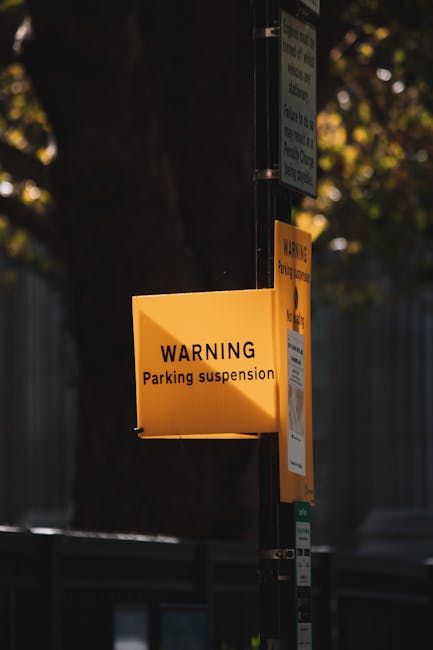
Parking suspension rules for removal vans in Paddington
If you are moving home or shifting office furniture in a busy part of west London, parking can make or break the day. The parking suspension rules for removal vans in Paddington are not just a bit of admin; they can decide whether your move runs smoothly or turns into a long, stressful shuffle from one street corner to another. In a place where bays fill fast and access is tight, a clear plan matters. This guide explains how parking suspensions work, why they matter, what to check before moving day, and how to avoid the classic mistakes that catch people out.
Truth be told, most moving problems start with parking, not packing. One wrong assumption about a loading bay or a suspended bay, and suddenly the van is half a street away while everyone is carrying wardrobes in the rain. Nobody wants that. So let's unpack the practical side properly.
Why Parking Suspension Rules for Removal Vans in Paddington Matters
Paddington is exactly the sort of area where parking pressure shows up fast. Streets can be narrow, bays are heavily used, and even a short move can involve awkward access, tight corners, or a lot of back-and-forth carrying. If a suspension is needed and it is not arranged properly, the vehicle may have nowhere legal to stop. That means delays, penalties, and a lot more physical effort for everyone involved.
The main point is simple: removal vans need predictable access. A parking suspension reserves a specific space or section of kerbside parking so the van can load or unload without blocking traffic, breaching restrictions, or making the move unsafe. For homeowners, renters, landlords, and businesses alike, it is a small piece of planning that can save a surprising amount of time and stress.
There is also the neighbour factor. In busy parts of Paddington, people notice when a large van is wedged across a street, especially if it blocks resident bays or creates congestion. Sorting parking properly helps keep things civil. Not glamorous, but important.
If you are arranging a move with a professional team, it can also be worth thinking about the wider logistics. A well-planned home move or office relocation service is usually easier when access, timing, and parking are treated as one job rather than three separate headaches.
How Parking Suspension Rules for Removal Vans in Paddington Works
Parking suspensions are typically arranged through the relevant local authority for the street where the vehicle needs to stop. In plain English, a suspension means a normal parking restriction or bay use is temporarily paused or altered so the van can use that space for a specific purpose, usually loading or unloading during a move.
How it works in practice depends on the exact location, the type of bay, the day of the move, and how much space is needed. Some moves only need a short loading area for a small vehicle. Others need more room because the van is larger, the furniture is bulky, or the building access is tricky. Paddington can throw up all three at once, which is fun in the way that spreadsheets are fun.
Usually, the process involves:
- identifying the exact street and bay location needed for the van;
- checking whether parking is controlled, restricted, or already limited;
- requesting a suspension or temporary permission for the moving date;
- displaying any required notices or approval paperwork where needed;
- making sure the removal van parks only within the approved space and time window.
It is worth stressing that parking suspension rules are not just about the vehicle itself. They are about keeping the move lawful, safe, and predictable. If you are using a man and van or a larger removal truck hire service, the amount of space required can vary quite a lot.
One small but important detail: sometimes people assume that a loading bay is automatically enough. In reality, that depends on the street, the time of day, and whether the space is genuinely legal for your exact vehicle and activity. A loading bay is helpful, yes, but not a magic wand.
Key Benefits and Practical Advantages
Getting the parking setup right is not only about avoiding a ticket. It can change the whole tone of moving day.
- Faster loading and unloading: when the van can park close by, movers spend less time carrying items.
- Lower risk of damage: fewer long carries mean fewer opportunities to bump furniture, doors, or walls.
- Better access for larger items: wardrobes, sofas, and office equipment are much easier to move when the vehicle is near the entrance.
- Reduced stress: everybody knows where the vehicle is going to be, so the day feels more controlled.
- Less disruption to neighbours and traffic: a properly managed suspension is usually tidier than improvised kerbside parking.
For commercial customers, the benefit is often operational rather than just convenient. A move that starts on time and has clear access tends to stay on time. That matters when staff, desks, files, or stock are involved. If you are planning a larger relocation, commercial moves are especially sensitive to access delays.
For home removals, the advantage is emotional too. People underestimate how tiring it is to carry boxes repeatedly from a distant parking spot. You notice it by the third or fourth trip. The day gets longer, the mood gets shorter. And nobody needs that.
Who This Is For and When It Makes Sense
Parking suspensions are useful for anyone moving in or out of an area where stopping space is limited or heavily controlled. In Paddington, that often includes residents in flats, terraced streets with resident bays, and businesses near busy transport corridors.
This tends to make sense if you are:
- moving from a street with no easy loading space;
- using a medium or large removal van;
- moving bulky furniture, appliances, or office items;
- relocating into a building with narrow access;
- trying to avoid wasting time circling for parking;
- working to a tight schedule such as a completion day, lease handover, or office shutdown.
It is also a practical option if you are using a more flexible service such as a man with van, especially when the vehicle still needs reliable access to the property entrance. Smaller does not always mean simpler. Sometimes it just means less visible trouble until the morning of the move.
For some furniture-only jobs, such as a sofa collection or one-off item delivery, the need may be less formal. Even then, if the street is heavily restricted, a proper parking arrangement can still be the difference between a calm pickup and a lot of awkward standing around.
Step-by-Step Guidance
Here is a practical way to handle parking suspension planning without overcomplicating it.
- Confirm your moving date and time. Do this first, because everything else depends on it. If the date might change, say so early.
- Inspect the street access. Look at the building frontage, the width of the road, and any signs or bay markings. A quick daylight check is better than guessing from a map.
- Estimate the size of vehicle needed. A small van, a standard removal van, and a truck all create different access needs. If you are not sure, ask the removals team what they recommend.
- Work out the loading distance. Short carry distance matters more than people think. Thirty seconds saved per item adds up fast.
- Check whether the parking space must be suspended. If the area is usually busy, or if you need to reserve a bay, treat suspension planning as part of the move rather than an optional extra.
- Confirm any rules about notice, signage, or timing. These can vary. Do not rely on a friend's move from another part of London as a model.
- Coordinate with the movers. Make sure the team knows exactly where to park, what access is available, and whether they should arrive during a specific window.
- Prepare the building and household. Clear hallways, lift access, door codes, and any shared entrance issues before the van turns up.
- Have a backup plan. If the exact bay is unavailable or blocked, know where the nearest alternative loading point is.
A simple micro-example: if a flat on a busy Paddington road has no off-street space, reserving the closest suitable curbside area means the movers can get the sofa out without carrying it past several parked cars and around a corner. That alone can save real time and a fair bit of swearing, quietly or otherwise.
Expert Tips for Better Results
Small choices make a big difference here. Parking is one of those details where the neat, boring plan usually wins.
- Build the parking plan before the packing plan. If access is tight, the order of loading matters just as much as box labelling.
- Use the exact address details. In busy areas, one wrong building entrance or side street can create avoidable confusion.
- Leave a buffer for delays. Traffic, lift access, and neighbours all have a habit of appearing at the wrong time.
- Keep the biggest items nearest the door. That reduces double handling if the van space is limited.
- Tell the removals team about anything awkward. Narrow staircases, gated entrances, low ceilings, or steep kerbs should not be a surprise on the day.
- Think about the weather. Rain makes loading slower and heavier. A reserved parking area suddenly becomes more valuable when boxes are getting damp.
If you are arranging packing support as well, the move can feel far more manageable. A bit of preparation through packing and unpacking services can reduce the amount of time the van has to stay parked, which is often exactly what you want in a busy neighbourhood.
And honestly, a good move often comes down to this: fewer surprises, less carrying, and no last-minute parking panic. Simple, but not always easy.
Common Mistakes to Avoid
Some mistakes come up again and again. They are easy to make, especially if you have not moved in a while.
- Assuming parking will be available on the day. In Paddington, that is a gamble.
- Booking the van before thinking about access. The vehicle should suit the street, not just the furniture.
- Ignoring time restrictions. A space that works at 10 a.m. may be useless at school-run or commuter times.
- Forgetting about shared buildings. Flats, managed blocks, and offices may have extra rules of their own.
- Leaving signage or instructions too late. If a suspension or reserved area needs notice, late preparation can derail the whole plan.
- Underestimating how much room bulky items need. A wardrobe is never as cooperative as the tape measure suggests.
One common slip is thinking, "We'll just be quick." Maybe. But parking problems do not care that you are in a hurry. They just sit there, immovable, like a very annoying piece of furniture.
Tools, Resources and Recommendations
You do not need a complicated toolkit, but a few practical items make the process smoother.
- Printed move plan: a simple sheet with address, time, access notes, and contact numbers can prevent confusion.
- Measurements: door widths, stair turns, lift dimensions, and large-item sizes are worth having written down.
- Signage or parking notices: if permitted and required, these help communicate the reserved space clearly.
- Floor plans: useful for offices or bigger homes where items need to be placed quickly.
- Protective materials: blankets, covers, and straps reduce damage during shorter or longer carries.
If your move involves heavier items or more complex vehicle access, consider using a vehicle option that matches the job properly. A larger load may be better suited to moving truck support or a dedicated removal truck hire arrangement, especially when parking access is limited and every minute counts.
For single items or smaller pickups, a focused service like furniture pick-up can be enough. The key is not to oversize or undersize the logistics. Both create headaches, just in different flavours.
Law, Compliance, Standards, or Best Practice
Parking suspension rules sit in the broader world of local parking control, traffic management, and moving-day safety. The exact requirements can vary by street and authority, so it is always wise to treat official local instructions as the final word for the location involved.
From a best-practice perspective, there are a few principles worth following:
- Use only approved parking areas. Do not rely on guesswork if a bay appears empty.
- Respect the time window. If a space is reserved for a set period, keep to that period.
- Keep access safe. Avoid blocking crossings, entrances, or routes needed by pedestrians and neighbours.
- Make the arrangement clear. Drivers, movers, and the building contact should all understand where the van can stop.
- Prepare for enforcement. Parking rules in busy London areas are usually not forgiving when someone assumes they will be fine.
For businesses, it is sensible to keep a record of who arranged the move, what instructions were given, and what parking provision was agreed. It sounds overly tidy, maybe, but it saves arguments later. For households, the equivalent is simply sharing the details with everyone involved so no one is surprised at 8 a.m. on moving day.
Options, Methods, or Comparison Table
Different moves need different parking approaches. Here is a straightforward comparison of the most common options.
| Option | Best for | Strengths | Limitations |
|---|---|---|---|
| Standard curbside parking | Very short, low-traffic jobs | Simple if legal and available | Often unreliable in busy Paddington streets |
| Loading bay use | Short loading and unloading windows | Close access and practical for smaller teams | May still have time limits or restrictions |
| Parking suspension | Moves needing reserved space | Predictable access and better control | Requires planning and may involve notice requirements |
| Off-street or private access | Buildings with driveways or yards | Most convenient when available | Not common in central London-style streets |
The best option usually comes down to the size of the van, how much furniture is involved, and how tight the street is. If you are not sure, choose the option that reduces carrying distance and leaves the least room for uncertainty.
Case Study or Real-World Example
Imagine a family moving from a second-floor flat near Paddington with no driveway and only limited on-street parking. They have a sofa, a bed frame, several boxes of books, and a fridge that definitely does not want to be carried very far. Without a reserved space, the van would likely need to stop around the corner. That sounds manageable until you picture repeated trips, people holding doors open, and a lift that is just a little too slow.
Instead, they plan ahead. They confirm the likely arrival time, check the street layout, and make sure the van has space close to the entrance. The movers can then load efficiently, keep the route clear, and avoid wasting time searching for parking. The move still takes effort, of course. It is a move. But it feels organised rather than chaotic.
We have seen that difference many times: not perfect, just calmer. And calm is underrated on moving day.
Practical Checklist
Use this checklist before the van arrives.
- Confirm the moving date and arrival window.
- Check the exact street location and access point.
- Decide whether a parking suspension or another parking arrangement is needed.
- Measure large items and note anything bulky.
- Tell the movers about stairs, lifts, gates, or narrow entrances.
- Clear the hallway, stairwell, and main exit route.
- Keep keys, entry codes, and contact details ready.
- Agree where the vehicle should stop and where items will be taken from.
- Prepare a backup parking option in case of last-minute blockage.
- Double-check timing so nobody arrives too early or too late.
If you are moving a full home, it can also help to line up the rest of the service around the parking plan. A well-timed house removalists team can work much more efficiently when the access plan is already sorted.
Conclusion
Parking suspension rules for removal vans in Paddington are one of those practical details that look small on paper but matter enormously on the day. A good parking plan reduces stress, saves time, protects belongings, and keeps the move moving. That is really the point. If you treat parking as part of the move rather than an afterthought, everything tends to feel more manageable.
Whether you are moving a single sofa, an entire household, or an office full of equipment, the same principle applies: clear access makes everything easier. Paddington can be busy, tight, and a bit unforgiving, so planning ahead is not overkill. It is just sensible.
Get a free quote today and see how much you can save.
And if you are still in the planning stage, start with the parking question first. It is boring, yes. But boring is often what saves the day.
Frequently Asked Questions
What are parking suspension rules for removal vans in Paddington?
They are the rules that control whether a parking space or bay can be temporarily reserved or restricted so a removal van can load or unload legally and safely. In Paddington, where street parking is tight, this matters a lot.
Do I always need a parking suspension for a house move?
Not always. If you have safe, legal access and enough room to stop without causing problems, you may not need one. But in many Paddington streets, a suspension or similar arrangement is the cleaner option.
Who usually arranges the parking suspension?
That depends on the move, but it is often arranged by the person organising the removal or by the moving company if that service is included. The important thing is that someone takes responsibility early, not the morning of the move.
How far in advance should parking be sorted?
The earlier the better. Parking arrangements can take time, and last-minute requests are where stress tends to creep in. If your move date is fixed, deal with parking as soon as you can.
Can a man and van service work without a parking suspension?
Sometimes yes, sometimes no. A smaller vehicle may be easier to fit into available space, but that does not automatically make parking legal or available. The street conditions still decide the outcome.
What happens if the reserved bay is blocked on moving day?
You may need to use the backup plan, which could mean a nearby alternative loading spot or a short delay while access is resolved. It is worth agreeing a fallback option before the van arrives.
Are parking suspension rules different for offices and homes?
The underlying idea is similar, but offices often involve larger vehicles, tighter schedules, and more equipment. That can make access planning more critical, especially for commercial relocations.
Is a loading bay enough for a full removal van?
Sometimes, but not always. A loading bay may be suitable for a short stop, yet it might not allow enough time or space for a full load. Check the exact conditions rather than assuming.
What are the biggest mistakes people make?
The most common ones are assuming parking will be available, leaving it too late, not checking the street properly, and using the wrong size vehicle for the access. Those four cause more trouble than people expect.
How do parking rules affect larger furniture items?
Big items are harder to carry from a distant parking spot, and that can increase the risk of damage or delay. Good parking access makes bulky furniture far easier to handle, especially on stairs or in narrow hallways.
Should I plan parking before booking the removal truck?
Yes, ideally. The size of the vehicle should fit the street as much as the load. If you know access is limited, choosing the vehicle after thinking about parking usually gives you a better result.
Where can I get help with a move in Paddington?
If you want support with a home move, office relocation, packing help, or vehicle hire, it helps to speak with a team that understands the local access issues and can plan around them properly.
If you would like more about the business and how it works, you can also review the about us page or get in touch through the contact page. For general site details, the terms and conditions and privacy policy are there too.