Paddington Station Deliveries: Safe Removal Logistics for Smooth, Secure Moves
Paddington Station is busy, tightly timed, and unforgiving if a delivery runs late or blocks the wrong access point. That is why Paddington Station deliveries: safe removal logistics is more than a moving task; it is a planning exercise that protects your items, your schedule, and everyone sharing the same space. Whether you are moving furniture, clearing a flat nearby, handling office equipment, or coordinating a small commercial drop-off, the winning formula is the same: clear access, careful handling, sensible timing, and the right vehicle for the job.
This guide explains how the process works, what can go wrong, and how to plan it properly. You will find practical steps, common mistakes, and a realistic look at the logistics that matter around a major transport hub like Paddington. If you need a wider moving service context, it can also help to review man and van support in Paddington, home moving services, or commercial moves depending on the type of delivery.
One simple truth stands out: a well-managed removal near Paddington feels calm because someone did the planning before the van arrived. That part is not glamorous. It does, however, save time, stress, and a fair amount of lifting in the wrong place.
Table of Contents
- Why Paddington Station deliveries: safe removal logistics Matters
- How Paddington Station deliveries: safe removal logistics Works
- Key Benefits and Practical Advantages
- Who This Is For and When It Makes Sense
- Step-by-Step Guidance
- Expert Tips for Better Results
- Common Mistakes to Avoid
- Tools, Resources and Recommendations
- Law, Compliance, Standards, or Best Practice
- Options, Methods, or Comparison Table
- Case Study or Real-World Example
- Practical Checklist
- Conclusion
- Frequently Asked Questions
Why Paddington Station deliveries: safe removal logistics Matters
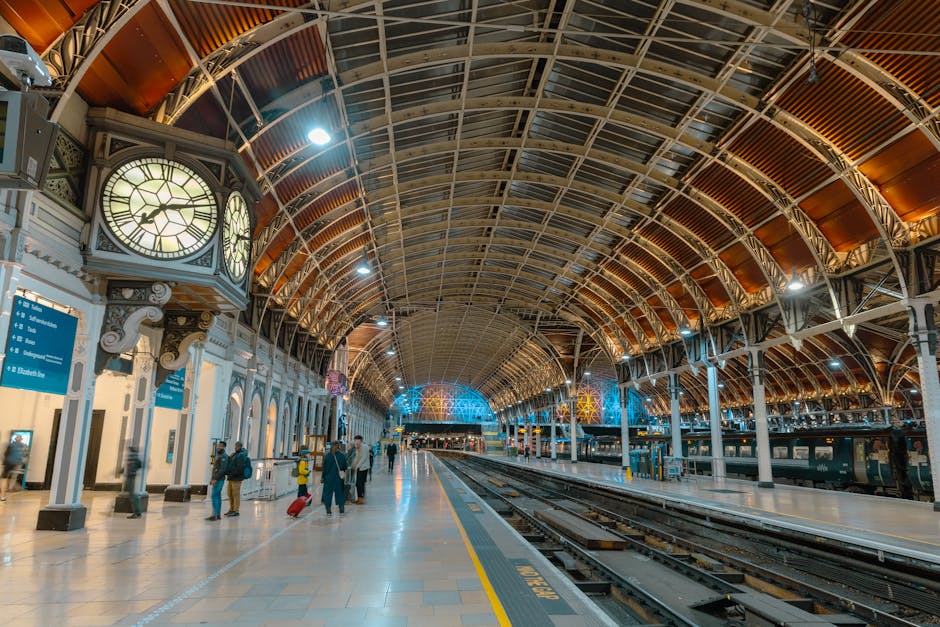
Paddington is not a typical residential street. It is a transport-heavy area where pedestrians, taxis, buses, cyclists, rail users, service vehicles, and deliveries all compete for space. That matters because even a small removal can become complicated if you treat it like a routine doorstep drop.
Safe removal logistics protects three things: people, property, and time. The people part is obvious enough. Heavy items, narrow pavements, stairs, and moving traffic create risk if the handling is rushed. The property part matters too. Office desks, glass tables, monitors, and wardrobes can all suffer damage when moved through tight spaces without the right packing and lifting method. And time? In a station area, time is money. A delay can cascade quickly into missed loading windows, extra waiting, or frustrated building staff.
There is also a reputational angle for businesses. A smooth delivery to or near Paddington signals organisation. A chaotic one signals the opposite. If you are coordinating a client installation, office relocation, or stock transfer, that impression can matter just as much as the physical delivery itself.
Expert takeaway: around Paddington Station, the safest removal plan is usually the one that reduces guesswork before the vehicle arrives.
For larger or more sensitive jobs, many people choose a structured moving service such as office relocation services or house removalists, because those services are built around preparation, access control, and careful handling rather than speed alone.
How Paddington Station deliveries: safe removal logistics Works
Safe removal logistics is the coordination of planning, loading, transport, access, unloading, and placement. Near Paddington Station, each stage needs a bit more attention than usual because the surroundings are busy and often constrained.
1. Pre-delivery planning
This is where most of the success is won. The move should start with a clear list of what is being collected or delivered, where it is going, and what obstacles exist on both sides. Think about staircase width, lift access, parking options, delivery time restrictions, and whether the item can be moved in one piece or needs disassembly.
For a single sofa, planning may be simple. For a reception fit-out or multi-item delivery, it becomes much more detailed. That is why services such as packing and unpacking services can be valuable; they reduce the number of loose ends and make loading more efficient.
2. Vehicle matching
The right vehicle depends on volume, access, and the item type. A smaller van can be easier to position in tight London streets, while a larger vehicle may be more suitable for a full household move or bulk business stock. Using a vehicle that is too large can create access trouble; using one that is too small can lead to multiple trips and wasted time.
If you need a dedicated vehicle, a moving truck or removal truck hire may be appropriate for heavier or larger loads. The key is not size for its own sake, but fit for purpose.
3. Safe loading and lifting
Proper lifting technique, protective wrapping, and smart stacking reduce risk. Fragile items should be packed first, then protected against movement. Heavier items belong low and secure. Delicate surfaces should be wrapped to prevent scuffs, and anything awkwardly shaped should be planned before it is carried to the vehicle.
That sounds basic, but in a station area basic discipline is exactly what prevents problems. A rushed lift onto a wet pavement near traffic is how expensive mistakes happen.
4. Controlled access and unloading
Once on site, unloading should follow the same sequence in reverse. Clear the route, confirm the destination space, and avoid leaving items in shared access areas. In busy buildings, good communication with reception, building management, or concierge staff makes a noticeable difference.
For single-item removals or small collections, furniture pick-up and man with van support are often the most practical options because they balance flexibility with straightforward handling.
Key Benefits and Practical Advantages
People usually think of delivery logistics as a cost. In practice, it is often a cost saver.
- Less damage: Proper wrapping, correct carrying methods, and suitable vehicle choice reduce breakage and scuffs.
- Fewer delays: Planned access and realistic timing stop the move from drifting.
- Better safety: Clear routes and trained handling reduce the chance of trips, strains, and collisions.
- Lower stress: Everyone knows what happens next, which makes a busy move feel manageable.
- Improved building relationships: Reception teams and neighbours are far more cooperative when deliveries are tidy and punctual.
- More reliable scheduling: This matters especially for office moves, staged refurbishments, or time-sensitive retail deliveries.
For households, the main benefit is simplicity. For businesses, it is continuity. A minor delay in a home move is inconvenient. A delay in a commercial delivery can interrupt work, customer service, or installation schedules. That is why many firms lean on commercial moves when timing and coordination matter.
There is also a hidden benefit: a well-run removal creates fewer surprises. And let's face it, surprises are charming in birthday parties, not in stairwells with a glass cabinet.
Who This Is For and When It Makes Sense
This kind of logistics is useful for a wide range of people and organisations:
- Residents moving into or out of apartments near Paddington Station
- Landlords and letting agents coordinating furniture removal or clearance
- Small businesses receiving stock, equipment, or fixtures
- Office managers planning a room refresh or full relocation
- Retail teams dealing with display furniture or bulky items
- Students and short-stay renters with limited time and few hands available
It makes sense whenever the item is heavy, awkward, valuable, or time-sensitive. It also makes sense if access is tricky. Narrow hallways, upper floors, shared entrances, controlled parking, and busy foot traffic all push you toward more structured planning.
If you are unsure whether you need a full service or just light help, a smaller support option such as man and van may be enough. If the job involves a larger property or several rooms, it is usually smarter to look at home moves or a more specialised service from the start.
Step-by-Step Guidance
Here is the practical sequence that tends to work best for safe removals and deliveries around Paddington Station.
- List every item to move. Include dimensions, fragility, and whether anything needs dismantling.
- Check access points. Note stairs, lifts, loading bays, road constraints, and building entry rules.
- Choose the right service. Match the job to the scale of the load and the access complexity.
- Book the best time window. Avoid the most congested periods where possible, and build in buffer time.
- Pack for movement, not storage. A box that looks tidy may still shift dangerously in transit.
- Protect surfaces. Use blankets, wrap, corner guards, or other suitable packing material.
- Confirm parking and loading arrangements. A delivery crew should not be discovering access rules at the kerb.
- Load in the correct order. Secure larger items first, then fill gaps with lighter, non-crushable goods.
- Communicate on arrival. Let the receiving party know when the vehicle is close and what to expect.
- Inspect before signing off. Check for damage, missing items, or route issues before the team leaves.
One useful real-world habit is to photograph bulky items before loading. It takes seconds and creates a simple record of condition. Nothing dramatic, just common-sense evidence if something needs reviewing later.
Expert Tips for Better Results
Good logistics often comes down to small choices. These are the details experienced movers pay attention to.
Choose access over convenience
A van that can park legally and unload safely is better than one that looks efficient on paper but causes trouble at the curb. Near Paddington, access is often the real limiting factor, not distance.
Break the job into handling stages
If an item is large, think in stages: carry, protect, load, secure, unload, position. This avoids the common mistake of treating it as one continuous lift.
Use the building layout to your advantage
Lift access, service entrances, and loading points can shorten the route dramatically. Ask about them early. A two-minute conversation can save twenty minutes of wrestling with an oversized desk through the wrong corridor.
Keep the load stable
Loose objects are not just annoying; they are a safety issue. Even a short journey can shift contents if they are not restrained properly.
Plan for the final placement
Before unloading, know exactly where each item is going. Moving a heavy sofa twice because the first room choice was wrong is a classic avoidable effort drain.
If you are managing an office or shared workspace, pairing logistics with office relocation services and packing and unpacking services helps keep the move orderly from start to finish.
Common Mistakes to Avoid
Most delivery problems near busy transport hubs come from a few familiar errors.
- Underestimating traffic and footfall: A route that looks short can still be slow.
- Choosing the wrong vehicle: Too big creates access problems; too small creates repeat trips.
- Poor packing: Fragile items need real protection, not just optimism and a cardboard box.
- Ignoring building rules: Some properties have loading procedures, lift booking requirements, or restricted access times.
- Not measuring bulky items: This is how furniture gets stuck at door frames and everyone starts improvising.
- Leaving coordination too late: The best removal jobs are arranged before the pressure is on.
- Failing to secure items in transit: A short trip does not excuse loose loading.
Another common issue is assuming every job needs the same service level. A single chair collection is not the same as an entire office move. If you want the job handled properly, size the service to the task. For some customers, that means a focused service like furniture pick-up; for others, it means a more complete package such as house removalists.
Tools, Resources and Recommendations
You do not need specialist equipment for every move, but the right basics help a lot.
- Measuring tape: Essential for checking doors, stair turns, lifts, and furniture dimensions.
- Protective wrap or blankets: Useful for avoiding scratches and impact damage.
- Straps and ties: Help keep loads stable inside the vehicle.
- Labels and markers: Keep items organised and easier to place at the destination.
- Basic tool kit: Helpful for removing legs, handles, or fittings when needed.
- Gloves and suitable footwear: Small precautions that make a real difference on moving day.
For larger loads, a purpose-suited vehicle can save a lot of handling. If you are comparing options, removal truck hire may be a better fit than a light van when the load is substantial. If the job is smaller and more flexible, a man with van arrangement may be enough.
You can also use the site's about us page to understand the service approach and contact us when you are ready to discuss the details of a move or delivery.
Law, Compliance, Standards, or Best Practice
Near Paddington Station, good practice matters even where the exact rules vary by building, operator, or access point. The safest approach is to assume that you need to be considerate of local access requirements, public safety, and property management instructions.
In practical terms, that means:
- following any building-specific loading procedures
- avoiding obstruction of pavements, entrances, and emergency routes
- using lawful parking and stopping arrangements
- making sure items are safely handled and secured
- protecting workers and the public during loading and unloading
If a delivery involves a commercial property, additional site rules may apply, especially for goods entrances, reception checks, and time windows. These are often practical rules rather than legal drama, but they still matter. A smooth move is usually the one that respects the site, the schedule, and the people using the space.
Where privacy, terms, or service conditions are relevant to your booking or enquiry, it is also sensible to review the provider's privacy policy and terms and conditions before confirming arrangements.
Options, Methods, or Comparison Table
Different removals call for different methods. The right choice depends on volume, fragility, and access.
| Option | Best for | Strengths | Trade-offs |
|---|---|---|---|
| Man and van | Small to medium loads, flexible deliveries | Quick to arrange, good for local access, practical for mixed items | May not suit larger or heavily bulky loads |
| Moving truck | Larger household or commercial loads | Higher capacity, fewer trips, better for bulk | Needs more access planning and space |
| Removal truck hire | Self-managed or partly assisted relocations | Can match the job size closely, useful for planned moves | Requires strong coordination and loading discipline |
| Full removal service | Complex moves, fragile items, busy schedules | Less stress, more handling support, better for detailed planning | Usually the most involved option operationally |
As a rule of thumb, the more access challenges you have, the more value you get from a service that includes planning and handling support rather than transport alone.
Case Study or Real-World Example
Imagine a small consultancy relocating two desks, several monitors, a meeting table, and boxed files from an office near Paddington Station to a nearby floor in a shared building. The distance is short, but the building access is not simple: there is limited kerb space, a lift booking window, and a narrow corridor on the receiving side.
If the team approaches it casually, they may arrive with the wrong vehicle, discover the lift is unavailable, and end up waiting while staff and items block the entrance area. If they plan it properly, the outcome changes immediately. They pre-measure the largest items, confirm access with both buildings, choose a vehicle with enough capacity, pack fragile equipment securely, and schedule the move for a calmer time window.
The practical difference is not just speed. The careful version reduces handling, protects the monitors, and keeps the office functioning. In real life, that is what good logistics looks like: less drama, fewer interruptions, and a lot less "we'll just carry it and hope."
That same logic applies to domestic moves too. A family moving from a nearby flat may not need the complexity of a corporate relocation, but they still need the same core disciplines: accurate measurements, sensible packing, and enough help to handle stairs or awkward furniture. For many households, home moves is the simplest route to a more organised day.
Practical Checklist
Use this checklist before the vehicle arrives.
- Item list completed
- All dimensions checked against doors, lifts, and stair turns
- Access route confirmed at both ends
- Parking or stopping plan reviewed
- Loading time arranged with building staff if needed
- Fragile items wrapped and labelled
- Furniture dismantled where necessary
- Floor, wall, and surface protection ready
- Vehicle size matched to the load
- Route to final placement cleared
- Contact details shared with all involved parties
- Inspection plan ready for arrival and handover
Quick reminder: if you cannot explain the route from room to vehicle in one minute, the move probably needs more preparation.
Conclusion
Paddington Station deliveries demand more than transport. They need safe removal logistics, good timing, realistic access planning, and the right kind of handling support. Get those elements right and even a busy London delivery becomes manageable. Miss them, and even a small job can become messy surprisingly quickly.
The best results come from matching the service to the task, whether that means a quick man and van booking, a larger vehicle, or a full move handled with proper packing and placement. The aim is not simply to move objects from A to B. It is to do it safely, cleanly, and without creating avoidable stress for anyone involved.
Get a free quote today and see how much you can save.
Frequently Asked Questions
What does safe removal logistics mean for deliveries near Paddington Station?
It means planning the entire delivery so items are moved securely, access is managed properly, and the route works for both the vehicle and the building. Near Paddington, that usually includes timing, parking, handling, and clear communication.
Is a man and van service enough for a Paddington delivery?
Often yes, if the load is relatively small or medium-sized and access is straightforward. For bulkier furniture, larger household moves, or more complex access, a bigger vehicle or fuller support may be a better fit.
How far in advance should I arrange a removal near Paddington Station?
As early as possible, especially if the job depends on building access, lift booking, or time-limited loading. The more complicated the move, the more useful early planning becomes.
What kind of items usually need extra care?
Glass tables, monitors, artwork, wardrobes, appliances, and anything with delicate surfaces or awkward dimensions. Items with loose parts or poor packaging also need extra attention.
Can furniture be collected from a flat without a lift?
Yes, but the route needs to be measured and planned carefully. Stairs, turns, railings, and shared access all affect how safely the item can be carried.
What is the difference between removal truck hire and a full removal service?
Removal truck hire focuses more on the vehicle itself, while a full removal service usually includes more hands-on support with loading, handling, and coordination. The right choice depends on how much help you need.
How do I know what vehicle size I need?
Measure the items, estimate the volume, and think about access. A smaller van may be easier in tight areas, but larger jobs can benefit from a moving truck to reduce trips.
What should I check before the crew arrives?
Confirm the item list, access route, parking, loading time, and any building instructions. It also helps to pre-pack fragile items and clear the path from room to vehicle.
Are there special considerations for office deliveries near Paddington?
Yes. Office moves usually need better coordination, more careful scheduling, and a stronger focus on protecting equipment and avoiding disruption to staff or clients.
Where can I get more information about your services?
You can start with the main site and then explore service pages such as the homepage, about us, or contact us for next steps and service enquiries.
Do I need packing services for a small delivery?
Not always, but packing help can be useful if the item is fragile, valuable, or awkward to carry. Even small jobs benefit from sensible wrapping and labelling when the route is tight.
What is the most common mistake people make with station-area removals?
They underestimate access. Around a place like Paddington, the route and timing matter just as much as the item itself. If those details are right, the delivery usually runs far more smoothly.