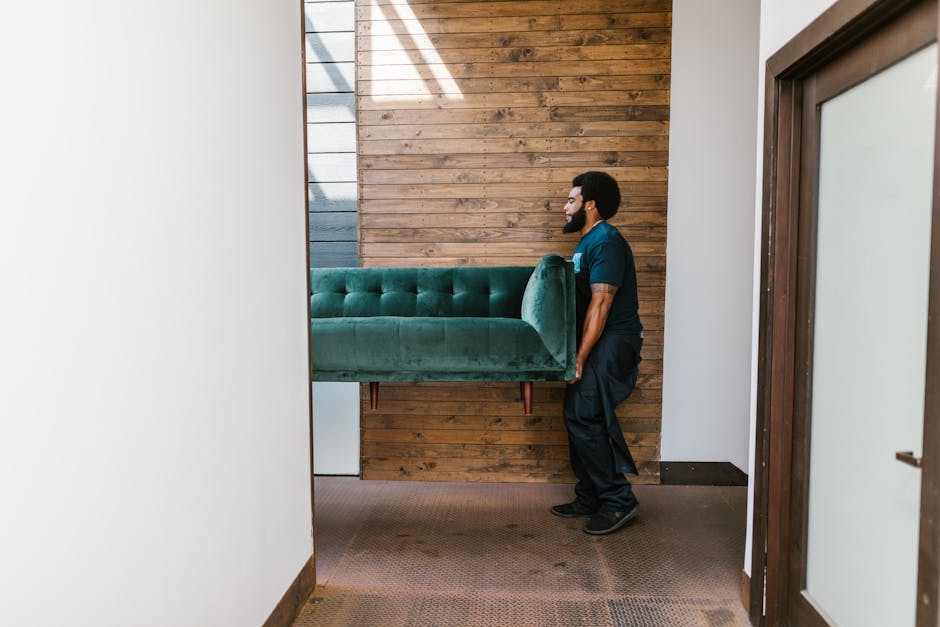
No-lift properties in W2: moving large items safely
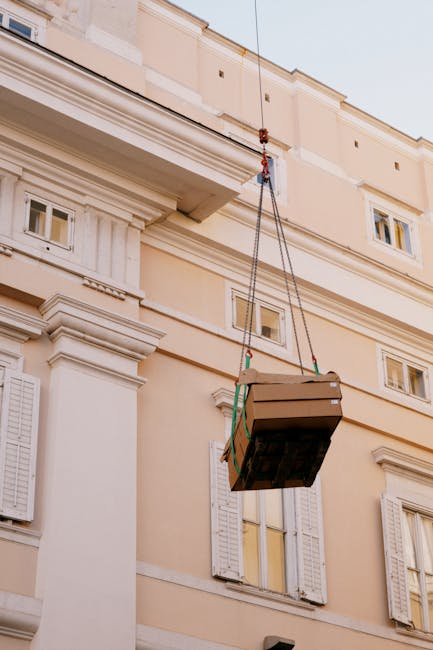
Moving into or out of a no-lift property in W2 can feel deceptively simple until you meet the stairs. Or the tight hallway. Or that awkward turn halfway up the landing where a wardrobe suddenly seems to grow another twenty kilos. If you are dealing with No-lift properties in W2: moving large items safely, the real challenge is not just getting furniture from A to B. It is protecting the item, the building, and your own back while keeping the move calm enough to stay sensible. This guide breaks down what to expect, how the process works, and how to move large items without turning the day into a minor disaster.
Whether you are moving a sofa, bed frame, fridge, desk, or a heavy chest of drawers, the right plan makes all the difference. To be fair, most problems on stair-only moves are preventable. A little preparation, the right lifting technique, and sensible help at the right moment usually saves time, stress, and a few dents you really do not want to explain later.
Why No-lift properties in W2: moving large items safely Matters
No-lift properties are common in central and inner London. In W2, that often means elegant older buildings, converted flats, compact mansion blocks, and period homes with narrow staircases or awkward entry points. The character is lovely. The furniture move, less so.
The issue is not just effort. It is risk. Heavy items placed on stairs are harder to control, especially when the shape is uneven or the item needs to be tilted. One wrong angle and you can damage walls, handrails, flooring, door frames, or the item itself. And if you are carrying with one other person, communication becomes everything. A rushed move can go sideways very quickly, sometimes literally.
This matters even more in W2 because access is often tight. On-street parking can be limited, loading windows may be short, and stairwells may not forgive mistakes. That means the move needs to be planned like a small project, not a casual carry. A good plan reduces fatigue and helps you decide whether you can do the job yourself or whether it makes more sense to use a service such as man with van support, a man and van option, or a larger moving truck for bulkier loads.
Expert summary: When a property has no lift, the safest move is usually the one that is planned in advance, stripped down to the right number of people, and matched to the size of the item. Carry less, measure more, and never trust guesswork on stair widths. Guesswork has a way of becoming expensive.
Table of Contents
- Why No-lift properties in W2: moving large items safely Matters
- How No-lift properties in W2: moving large items safely Works
- Key Benefits and Practical Advantages
- Who This Is For and When It Makes Sense
- Step-by-Step Guidance
- Expert Tips for Better Results
- Common Mistakes to Avoid
- Tools, Resources and Recommendations
- Law, Compliance, Standards, or Best Practice
- Options, Methods, or Comparison Table
- Case Study or Real-World Example
- Practical Checklist
- Conclusion
- Frequently Asked Questions
How No-lift properties in W2: moving large items safely Works
Safe stair-only moving starts before anyone picks up a box. First, you assess the item, the route, and the destination. Then you decide whether the furniture can be dismantled, protected, or carried as one piece. In practice, this usually means measuring the item's height, width, and depth, then comparing those dimensions with doorways, landings, stair turns, and ceiling heights.
After that comes the packing and protection stage. Blankets, straps, corner protectors, tape, and slide sheets all play a role. For items like wardrobes and beds, taking them apart is often the best option. For awkward or delicate pieces, a specialist approach may be better, especially if you are using a service such as furniture pick-up or arranging support through packing and unpacking services.
The carry itself is about control rather than speed. One person leads, one steadies, and both communicate clearly. When items are large, the common move is to carry on the edge or at a slight angle, because flat carries often fail on turns. The person below supports the weight and watches for steps, while the person above guides the line of travel. Slow is usually safer. Not glamorous, but safer.
If the item is too large for the stairs as one piece, the move may need to be broken into stages. That might mean partial dismantling, temporary resting points, or using a larger vehicle and more crew. For home moves, this is where home moves support can make the day feel much less chaotic. For bigger relocations, the same logic applies at scale with commercial moves or office relocation services.
Key Benefits and Practical Advantages
The biggest benefit is obvious: fewer accidents. But there is more to it than safety alone.
- Less damage to furniture: A planned carry reduces scuffs, bent fixings, broken handles, and crushed corners.
- Less damage to the building: Stair paint, banisters, and walls stay in better shape when the route is measured and protected.
- Less physical strain: Moving a heavy item upstairs or downstairs without proper support is a fast route to sore shoulders and regret.
- Faster decision-making: You know in advance whether the item will fit, need dismantling, or need extra help.
- Better team coordination: Clear roles make the whole move calmer, especially in tight London stairwells.
- More predictable costs: Planning reduces surprise delays, extra handling, and damage claims.
There is also a psychological benefit that people underestimate. Once you know the item will fit and you have a safe method, the move stops feeling like a guessing game. That alone takes a lot of pressure off. And yes, that matters on a rainy Tuesday afternoon when the stairs are narrow and everybody is already a bit tired.
Who This Is For and When It Makes Sense
This approach is useful for anyone moving large or bulky items in a property without lift access. That includes tenants, homeowners, landlords, letting agents, students, office managers, and anyone helping a relative with a move. If the item is heavy but manageable, the right setup may be enough. If it is oversized, fragile, or awkwardly shaped, extra support becomes more important.
It makes particular sense when you are dealing with:
- top-floor flats with stair-only access
- period homes with narrow staircases
- shared houses where hallways are already cluttered
- basement or lower-ground properties with steep steps
- large items like sofas, wardrobes, mattresses, desks, and appliances
- moves that need careful timing because of parking or building access
If you are unsure whether your item should be moved on your own, a practical way to judge it is this: if you cannot comfortably control the item at waist height with two people, it probably deserves more planning. If you cannot turn it safely in a mock route at home, that is another warning sign. Simple enough, really.
Step-by-Step Guidance
Here is a straightforward way to handle large-item moves in a no-lift property without overcomplicating it.
- Measure everything. Measure the item, the doorway, the hallway, the landing, and the stair width. Do not guess. Tape measure first, confidence later.
- Clear the route. Remove loose rugs, shoes, bins, framed pictures, and anything else that could trip someone or snag the item.
- Decide whether to dismantle. Beds, tables, wardrobes, and modular furniture often move more safely in pieces.
- Protect the item and the walls. Use blankets, bubble wrap, stretch wrap, corner protection, and tape where needed.
- Plan the carry order. Decide who leads, who steadies, and where each lift pause will happen.
- Test the route with the item tilted. If the turn looks tight at the landing, stop and reassess before lifting fully.
- Move slowly and communicate clearly. Short commands work best: "up," "pause," "turn," "down," "watch the wall."
- Set the item down safely. Do not rush the final few steps. Most bumps happen right at the end, annoyingly.
For very large or multiple items, it can help to stage them in the correct order. For example, move the bed frame first, then the mattress, then drawers, then the heavier boxes. That way, you do not block the landing with a bulky sofa while still needing to carry a fridge through the same route.
If the move includes a vehicle, a removal truck hire arrangement may suit larger loads better than a smaller van. For lighter or one-off items, a simpler service can be enough. The trick is matching the vehicle and crew to the actual job, not the hopeful version of the job.
Expert Tips for Better Results
In our experience, the smoothest no-lift moves are the ones where small details are handled early. These are the things that make a real difference.
- Check the stair corners before moving day. A banister may look harmless until a wardrobe meets it at the wrong angle.
- Use gloves with grip. They help more than people expect, especially with painted wood, smooth packaging, or slick metal handles.
- Keep one person focused on the building. Walls, light fittings, and door frames need as much attention as the item itself.
- Wrap protruding parts first. Handles, feet, corners, and bed rails often take the first hit.
- Separate the route from the storage area. If the destination room is already full, create a clear landing spot before the item arrives.
- Have someone open doors in advance. It sounds obvious, but it saves a ridiculous amount of awkward shuffling.
Here is a small but useful one: if you are moving during the darker months, check hallway lighting before the day. A dim stairwell makes everything feel twice as hard, and people tend to misjudge the final step. Even a tiny shadow can matter when the item is heavy and your hands are full.
And honestly, ask for more help sooner than you think you need. There is no prize for stubbornness. None at all.
Common Mistakes to Avoid
Most moving mishaps come from a familiar list of oversights. Avoiding these will save you trouble.
- Underestimating the item's size: A sofa that looks manageable on paper can become a wall-shaped problem on the stairs.
- Forgetting to measure the route: The item may fit through the front door but fail at the landing turn.
- Trying to carry too much at once: Multiple items in one trip sounds efficient until someone twists awkwardly.
- Skipping protection: Bare furniture and bare walls are a bad combination.
- Rushing the final descent: People relax too early. That is where the scrape happens.
- Not checking access outside the building: Parking, loading, and entry timing can affect the whole move.
Another common issue is assuming that a strong person can solve every moving problem. Strength helps, of course, but leverage, coordination, and route planning matter just as much. Sometimes more. A fit pair with poor timing can still struggle badly on a narrow staircase. Strange but true.
Tools, Resources and Recommendations
You do not need a warehouse full of equipment, but the right moving tools make a real difference. The basics are simple and worth having ready before the day starts.
| Tool or item | What it helps with | Best use |
|---|---|---|
| Furniture blankets | Protecting surfaces and reducing scuffs | Sofas, wardrobes, tables, cabinets |
| Ratchet straps or tie-downs | Keeping items secure during transport | Vehicles, stacked items, bulky loads |
| Protective gloves | Grip and hand protection | Heavy carries, awkward corners |
| Floor coverings or runners | Reducing floor damage and slips | Hallways, entries, polished floors |
| Dolly or sack truck | Helping move items on level surfaces | Flat corridors, short distances, loading areas |
| Stretch wrap and tape | Holding parts together and protecting loose components | Drawers, doors, removable parts |
If you are handling multiple rooms or a full household move, a service structure such as house removalists can be a good fit because it brings the planning and manpower together. For smaller collections or single-item transport, the simpler route may be enough. There is no one-size-fits-all answer, despite what some move-day optimism might suggest.
Also, if you are moving items out before a property handover, check whether furniture pick-up or a combined transport and handling option would save you a second trip. One less trip is often one less headache.
Law, Compliance, Standards, or Best Practice
For most domestic moves, the key compliance issues are practical rather than bureaucratic. You are mainly looking at safe manual handling, sensible building care, and proper vehicle use. In the UK, employers and professional movers are expected to take manual handling seriously, and even private movers benefit from applying the same principles: assess the load, reduce the lift, avoid twisting, and ask for help when needed.
If you are moving through a managed building, check any building rules about access times, lift protection where relevant, parking, service entrances, or noise. In a no-lift property, it is especially wise to protect communal areas. That can include walls, stair rails, and floors, because a scratch in a shared hallway has a way of becoming everyone's business.
Best practice usually means:
- planning the route before lifting
- using enough people for the weight and shape
- keeping stairs clear and dry
- not blocking fire exits or communal pathways
- protecting the property during movement
- using proper vehicle loading and securing methods
If you are unsure about weight, awkwardness, or whether the item can be safely moved by hand, it is better to pause and reassess than to push on. That may sound cautious. It is. But cautious is usually cheaper than repair work.
Options, Methods, or Comparison Table
Different moving situations call for different approaches. Here is a practical comparison to help you choose the right method.
| Method | Best for | Pros | Watch-outs |
|---|---|---|---|
| DIY two-person carry | Smaller heavy items with manageable access | Low cost, flexible timing | Higher strain, more risk if stairs are narrow |
| Partial dismantling | Wardrobes, beds, tables, shelving | Easier route, less chance of damage | Requires tools and time, reassembly later |
| Man and van support | Single items or lighter moves | Simple, practical, often efficient | May not suit very large or delicate items alone |
| Removal truck and crew | Multiple heavy items or larger house moves | More capacity, more handling support | Needs more coordination and access planning |
If you are moving a full flat, the larger method is often worth it. If you are shifting one or two bulky items, something leaner may make more sense. The best choice is the one that fits the access, the weight, and your tolerance for stairs on the day.
Case Study or Real-World Example
Picture a top-floor W2 flat with no lift, a narrow stairwell, and a large sofa that looked perfectly manageable in the living room. On moving day, the team measures the sofa and the stair corner before touching it. The sofa will not make the turn upright, so they remove the cushions, wrap the arms, and tilt the frame to angle it through the landing. One person guides from below, another keeps the top edge away from the wall, and a third waits at the next landing to clear the path.
The result is not speedy, but it is controlled. No chipped plaster, no scuffed banister, no awkward silence after a sudden thud. The sofa arrives intact, and the room is set up later without drama. That is the kind of move people usually remember as "fine, actually" instead of "never again."
In a similar situation, a single heavy wardrobe might be dismantled before movement rather than squeezed through the stairwell in one piece. That small decision often saves a lot of grief. Sometimes the smartest move is the boring one. Boring is underrated.
Practical Checklist
Use this checklist before moving large items in a no-lift property.
- Measure the item and the route
- Check stair width, turns, and ceiling clearances
- Confirm parking and loading access
- Clear the route of clutter and loose items
- Protect walls, floors, and door frames
- Dismantle anything that can safely come apart
- Gather blankets, gloves, straps, tape, and floor protection
- Agree who leads, who steadies, and who opens doors
- Keep children and pets out of the route
- Move slowly and stop if the angle feels wrong
- Set items down safely before adjusting grip
- Check the item for damage once it is in place
Quick takeaway: If the move feels uncertain during planning, it will probably feel worse on the stairs. That is the moment to simplify, dismantle, or bring in proper support.
Conclusion
No-lift properties in W2 do not have to make moving large items stressful. With accurate measurements, sensible packing, clear communication, and the right support, stair-only moves become much more manageable. The key is to respect the access, not fight it. Once you do that, the whole process gets calmer, safer, and frankly a lot less dramatic.
Whether you are shifting a single awkward sofa or coordinating a full property move, it pays to choose the method that fits the space rather than the one that sounds quickest on paper. If you need extra help, it can be worth exploring man with van support or a fuller moving setup through home moves, especially when the staircase is the real obstacle. And if you want to learn more about the people behind the service, you can also visit about us or head straight to contact us.
Get a free quote today and see how much you can save.
At the end of the day, a good move is one that leaves the furniture safe, the building intact, and you still in good enough spirits to enjoy the first cup of tea in the new place.
Frequently Asked Questions
What does a no-lift property mean in practice?
A no-lift property is a building without lift access, so every large item has to be carried up or down stairs. That changes the whole moving plan because weight, balance, and turning space matter much more than they would in a lift-served building.
Can large furniture be moved safely in a no-lift flat?
Yes, often it can, as long as the item is measured properly, the route is clear, and enough people are involved. In many cases, partial dismantling or protective wrapping makes the move much safer and easier.
Should I dismantle furniture before moving it upstairs?
If the item is bulky, awkward, or likely to catch on stair turns, dismantling is usually the safer option. Beds, wardrobes, shelving, and some tables are often better moved in pieces. It also reduces the chance of damage to walls and the furniture itself.
How do I know if a sofa will fit up the stairs?
Measure the sofa in its widest and tallest points, then compare those measurements with the staircase width, landing space, and turning angles. If the stairwell is tight, tilt or angle space matters too. When in doubt, test the route carefully before the actual move.
What tools help most in a stair-only move?
Furniture blankets, straps, gloves, floor protection, and a dolly or sack truck are among the most useful tools. Not every item needs all of them, but even a small amount of protection can prevent avoidable damage.
Is it better to use a man and van service for one heavy item?
Often yes, especially if the item is too awkward or heavy to carry safely on your own. A man and van service can be a practical middle ground for smaller moves and single bulky pieces.
How can I protect walls and bannisters during the move?
Use blankets, padding, or protective covers on contact points, and have one person watch the building surfaces throughout the carry. Slowing down at corners helps more than people think. That is where most scrapes happen.
What if the item is too big for the stairs?
Stop and reassess rather than forcing it through. Sometimes the answer is dismantling, sometimes it is using a different route, and sometimes it is arranging more experienced help. A forced carry usually ends badly.
Are no-lift moves more expensive?
They can be, because they often need more time, more handling care, and sometimes more people. The exact cost depends on the item, the access, and whether the furniture needs dismantling or special protection. Planning well can help keep costs sensible.
Do I need special permission to move items in a W2 building?
Sometimes building management or landlords may have rules about access times, common areas, or parking. It is sensible to check in advance, especially in shared buildings. The safer route is to ask early rather than fix things later.
What is the safest way to carry a washing machine or fridge downstairs?
These items are heavy, rigid, and awkward, so they usually need careful planning, strong grip, and good coordination. If the stairs are tight or steep, professional support is often the safer option. Appliances are not the place for guesswork.
When should I book professional moving help?
If the item is large, expensive, unusually heavy, or needs to go through a narrow stairwell, book help early. That is especially true if you are moving multiple items or if parking and access are already tight. Early planning gives you more options and less pressure on the day.